


Tetris® Mobile N3TWORK
Tetris: Reimagined for the modern free-to-play era.
Tetris Mobile was a bold, polished evolution that married legendary gameplay with contemporary social features. It reimagined the puzzle classic as a high-stakes digital spectacle, featuring nightly live tournaments and massive battle royales that bring a sleek, modern edge to a beloved icon.
My role
I led the creative direction and product design for a new Tetris mobile experience in 2018. Within a small, agile team, I oversaw the development of multiple features, shaping the game's visual identity and tone. Working under Live Operations required balancing brand evolution with free-to-play adaptation while maintaining a shifting live product. Alongside my strategic role, I worked hands-on across UX/UI, motion, and VFX, managing a team of artists to ensure high-quality execution and strengthening my creative direction and UX skills in the process.
The project’s 30 million downloads directly contributed to the game's profitability and its acquisition by playSTUDIOS in 2022.
As we transitioned to playSTUDIOS, the game underwent its first major revamp, a pivotal milestone for the creative team.
A Grand Spectacle
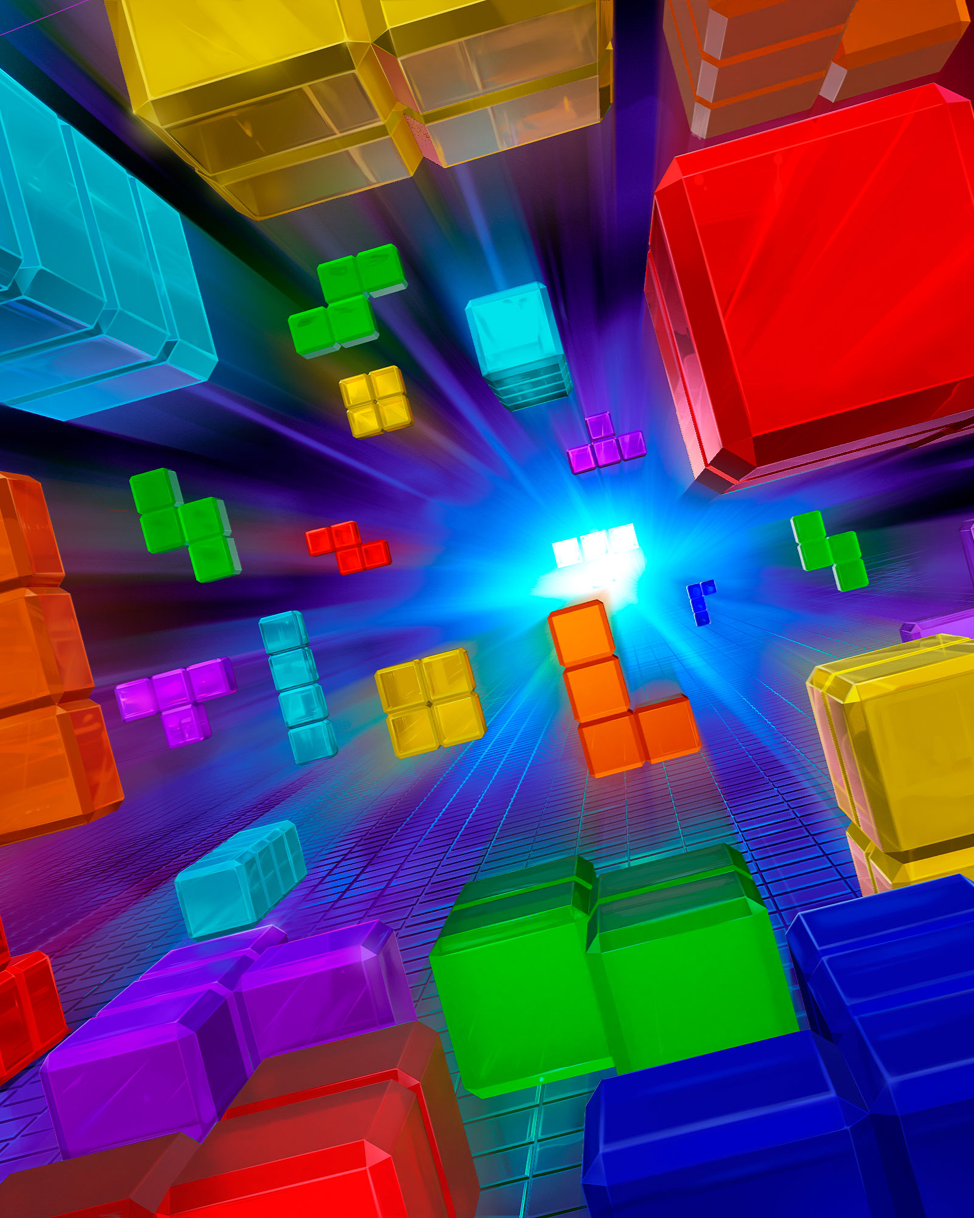
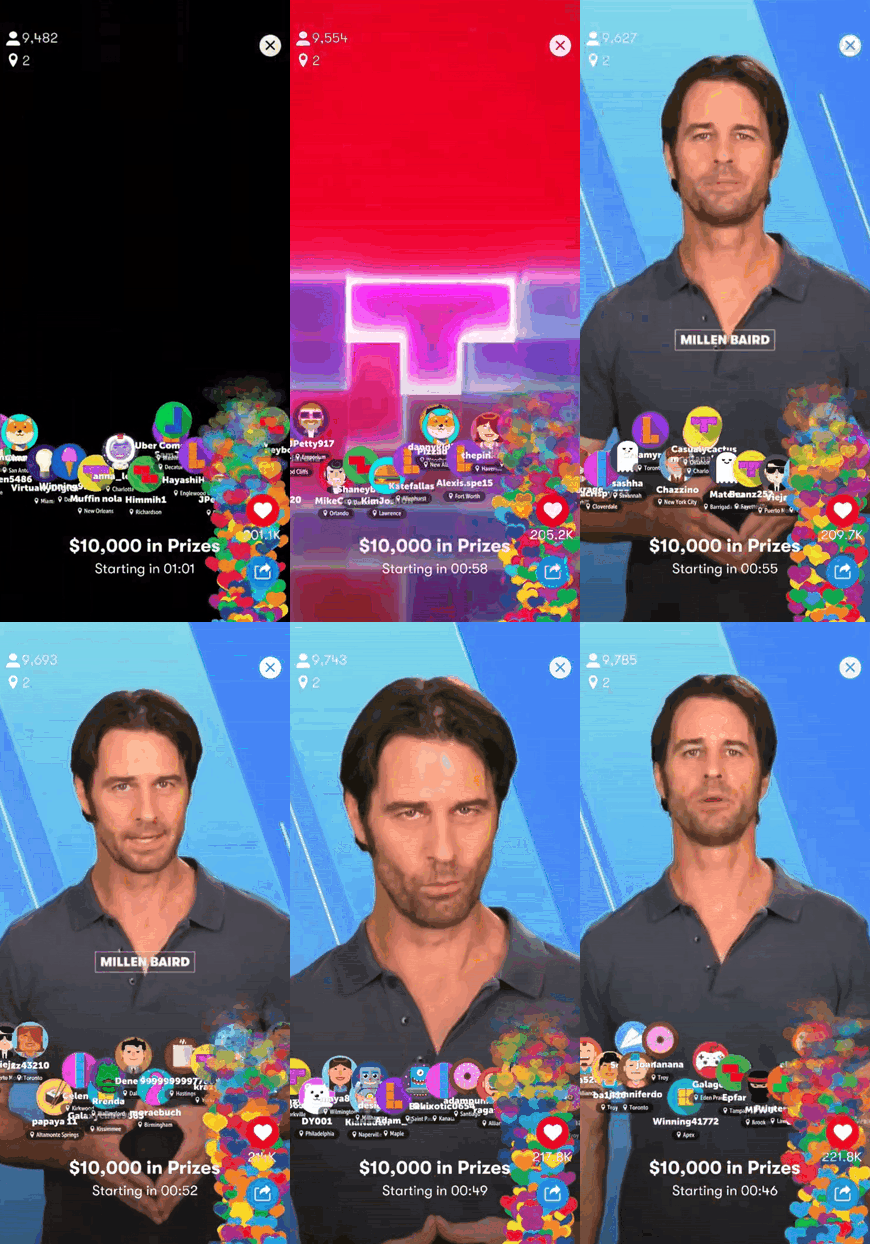
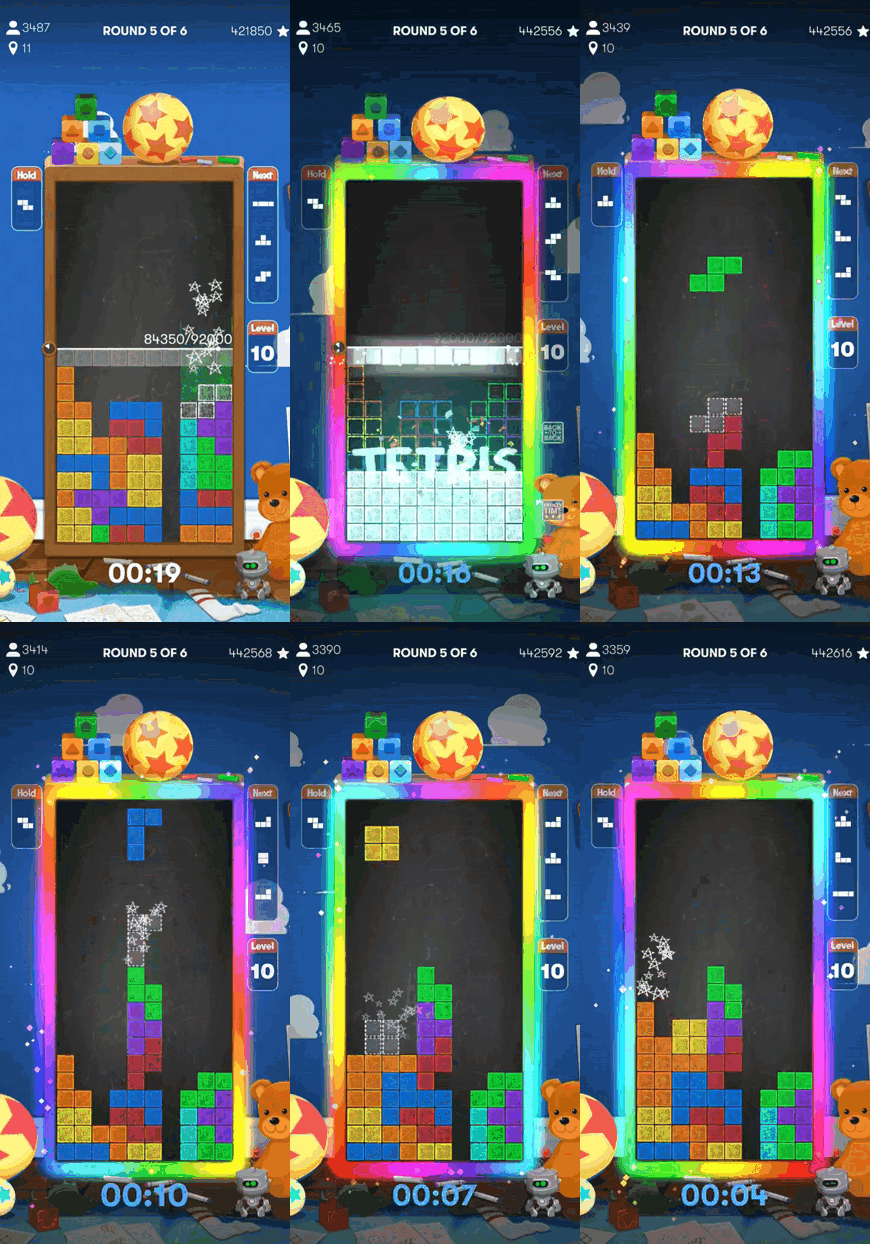
Tetris Primetime was a nightly, live-hosted, cash-prizes tournament that combined a new Tetris puzzle mechanic with a competitive game-show format inspired by HQ Trivia, along with games like Fortnite and PUBG. Each nightly tournament was split into several rounds, with the goal of surviving and clearing lines as the game speed increased at each stage. It was a centerpiece of the mobile app, gathering tens of thousands of players each day and, by its finale, over 2 million participations, transforming Tetris from a solitary activity into a global event.
Even today, YouTube remains a testament to the project’s legacy, with hardcore fans sharing videos that celebrate this period as a landmark moment for the franchise.



Massive Battle, Pocket Sized
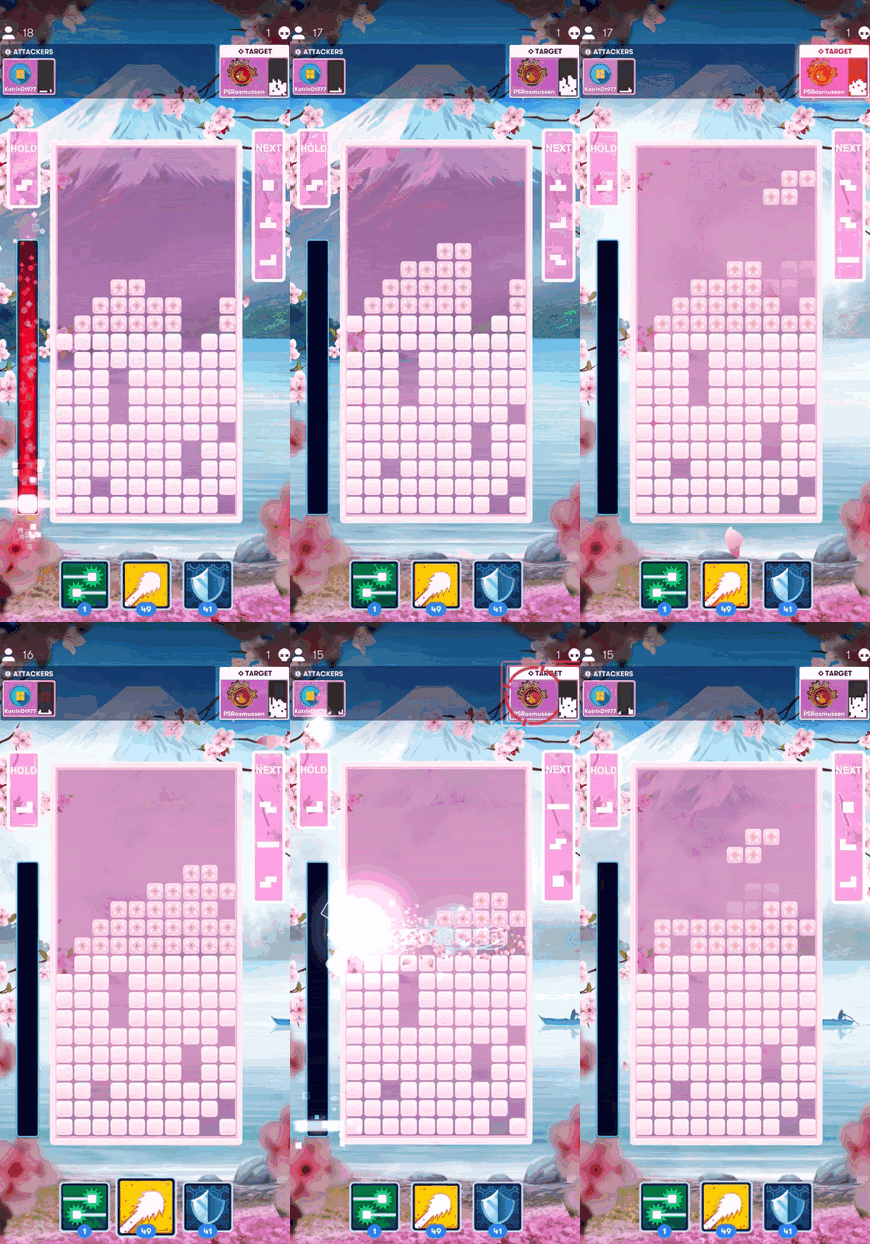
Tetris Royale was a large-scale multiplayer mode that brought the Battle Royale phenomenon to mobile. Designed for 100 simultaneous players, it adapted the massive competitive concept specifically for the mobile audience. The gameplay featured a strategic targeting system, combining automated opponent selection with manual features for tactical, player-specific attacks.

Solidifing the Gameplay
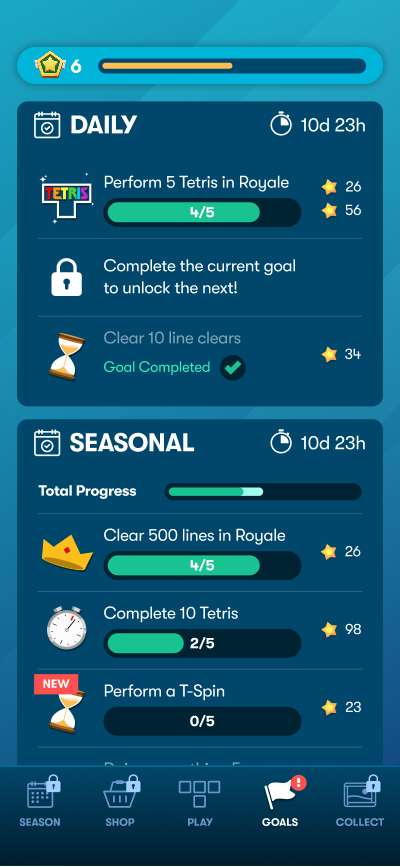
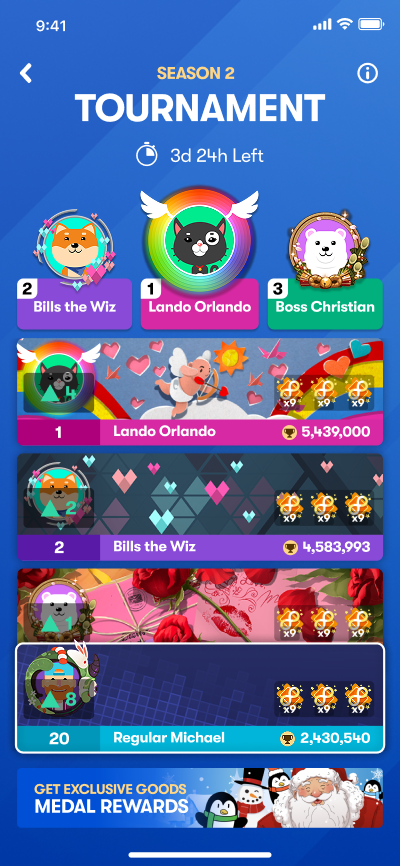
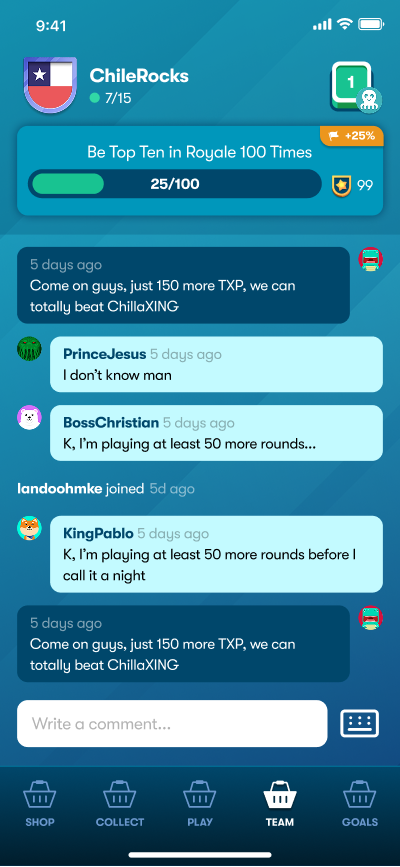
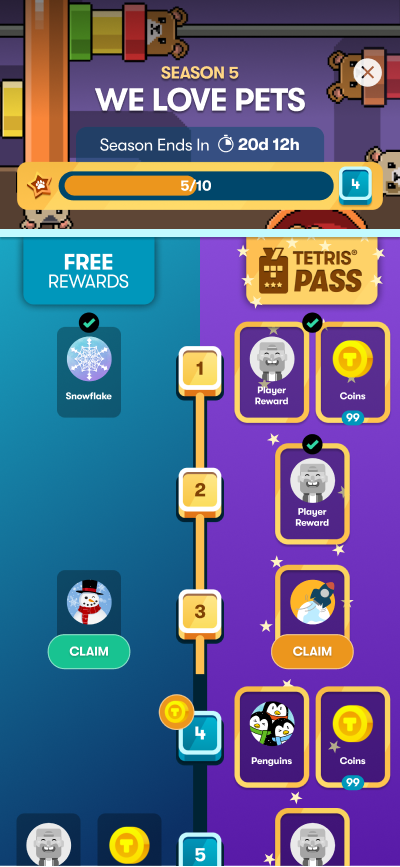
The project transformed the classic Tetris loop into a massive, synchronized social ecosystem. Competitive play was driven by Tetris Primetime’s live-hosted cash tournaments and the 100-player survival intensity of Tetris Royale. While ambitious in concept, neither Primetime nor Royale performed as expected. To ensure long-term retention, we integrated several deep meta-game features including Teams, Daily Challenges, Tetris Pass, and Ranks for continuous player progression. These add-ons maximized user-retention and solidified our reputation as a lean, high-impact team.


Tetris Theme Ecosystem
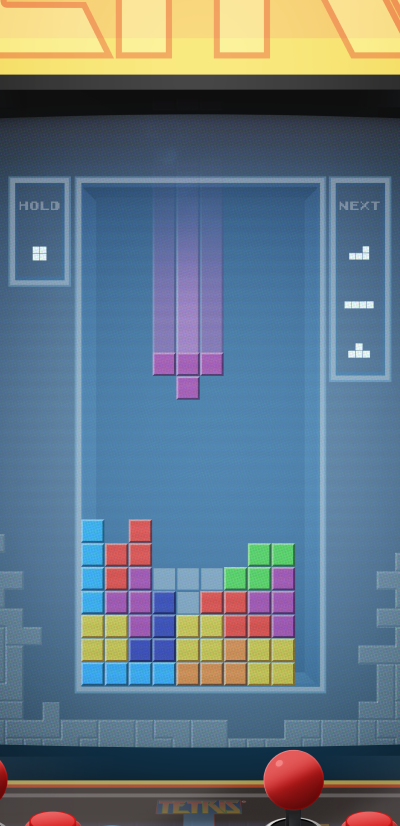
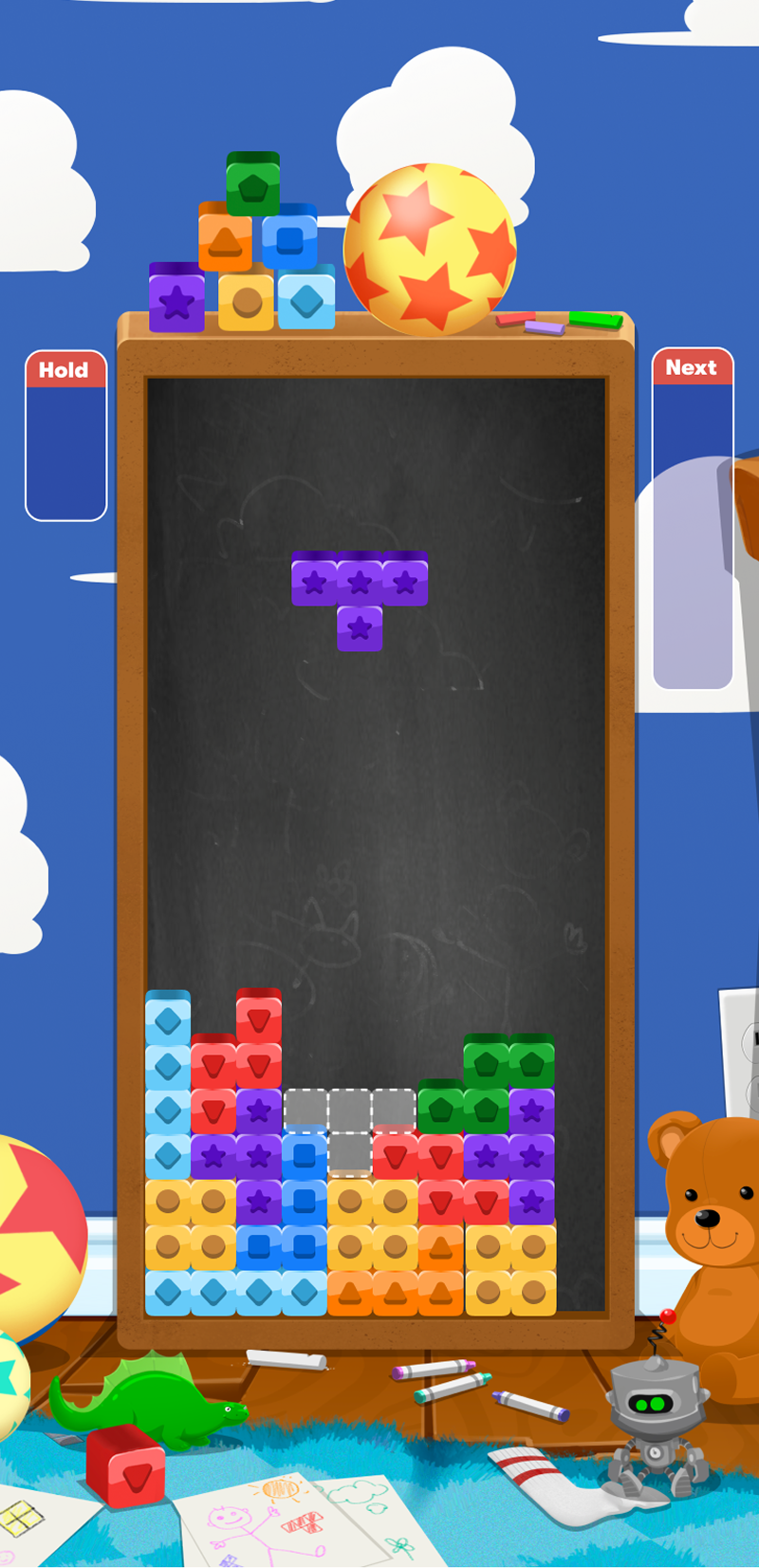
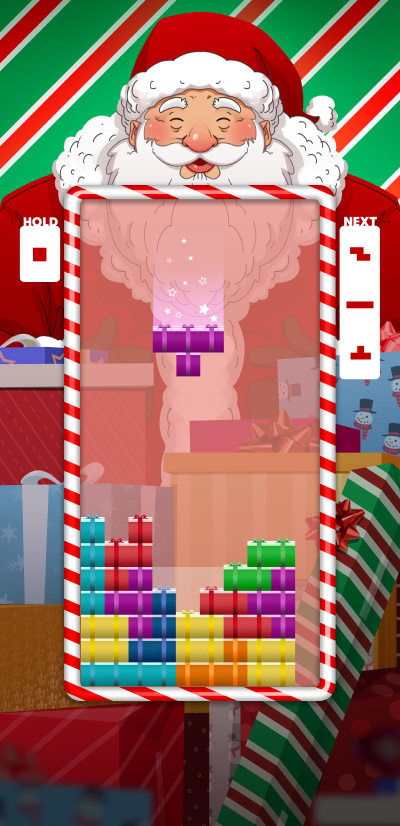
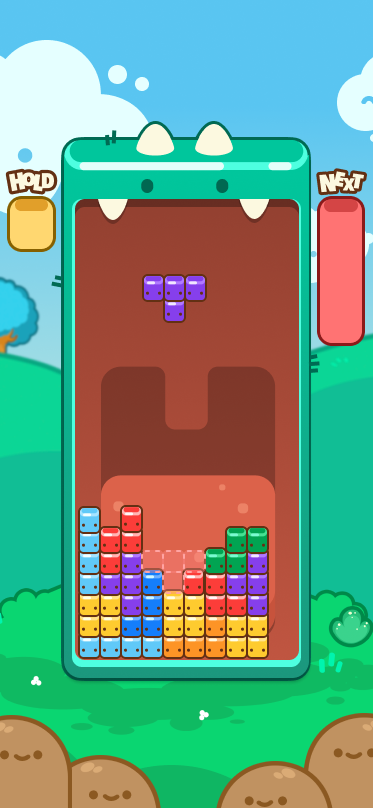
Under my creative direction, we transformed the Tetris aesthetic from a singular look into a diverse ecosystem of collectible themes. I led the artistic vision for these "skins," ensuring each one, from retro to casual, remained visually striking without compromising the clarity of the core gameplay. By treating themes as high-value assets, we created a key driver for player expression, allowing users to personalize their boards while maintaining the brand's iconic identity across dozens of unique visual styles.
Driving Retention through Personalization
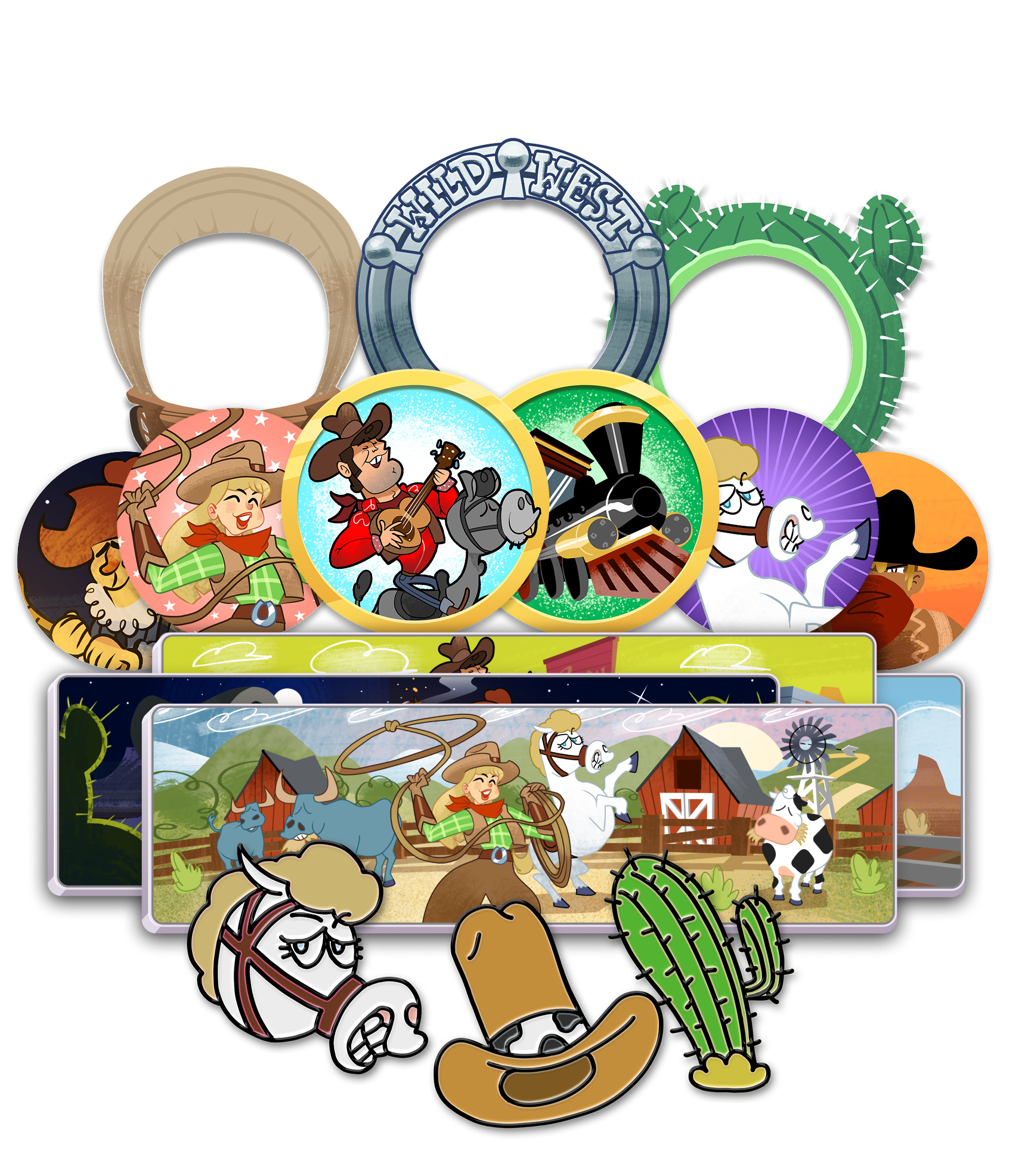
I spearheaded the development of a deep customization system to drive player retention and social status. This suite allowed users to personalize their experience through gameplay, avatars, decorative frames, and card player backgrounds. We also integrated a collectible pin system, rewarding high-tier achievements with rare badges that players could showcase on their profiles. By linking these assets to seasonal milestones, we created a powerful incentive for progression and community competition.

Figma: Bridging Product Design, Art & Tech
I integrated advanced Figma workflows to better connect product design, art, and tech art. By centralizing our UI and UX processes around a shared design system, component libraries, and tokenized styles using variables, we created a single source of truth that reduced fragmentation and ambiguity across teams. This shift streamlined handoffs through auto-layout, interactive components, and shared documentation, making it easier to maintain visual consistency, scale features efficiently, and accelerate delivery from early wireframes to production-ready game assets.


Visual Evolution & Strategic Transition
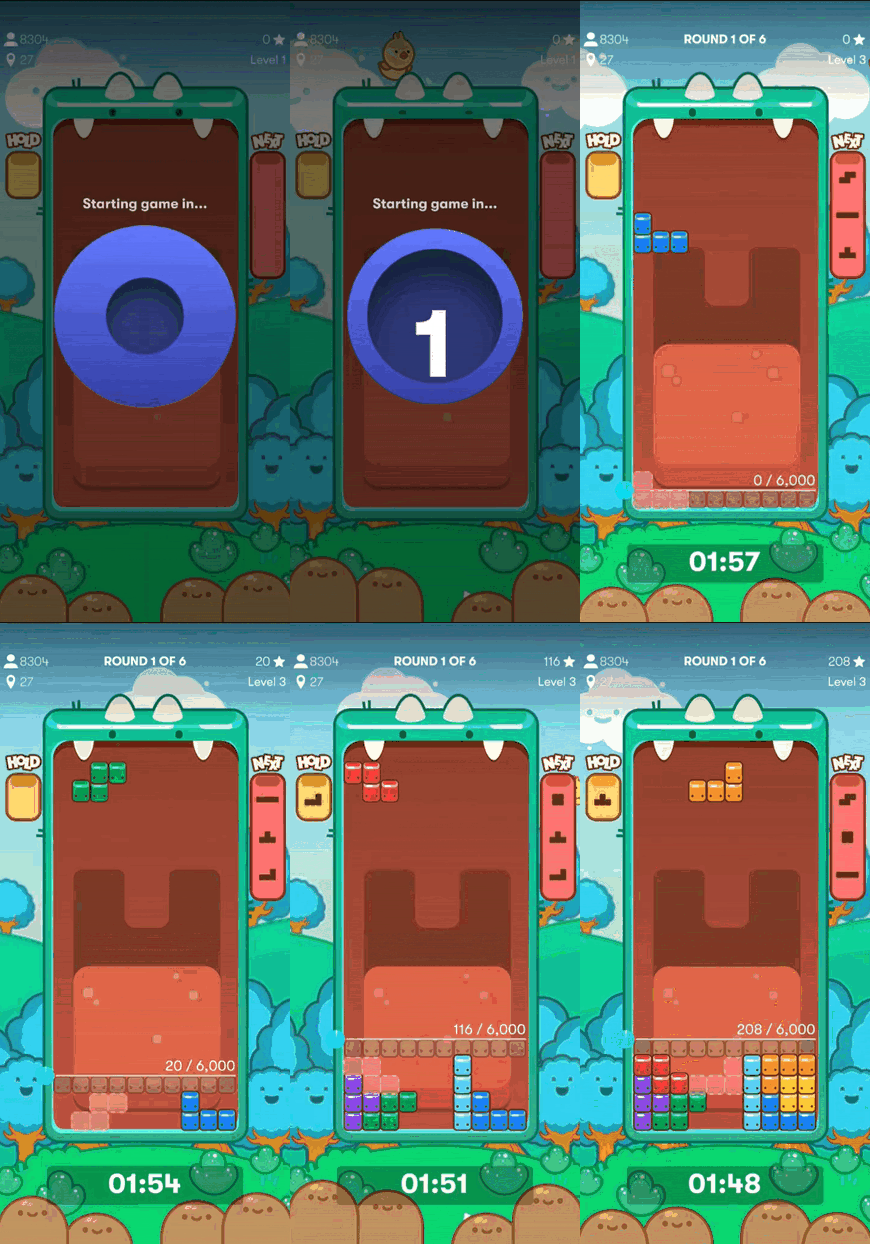
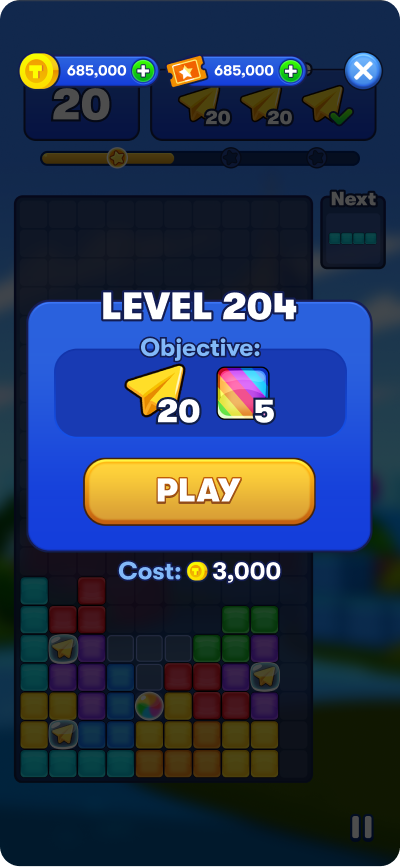
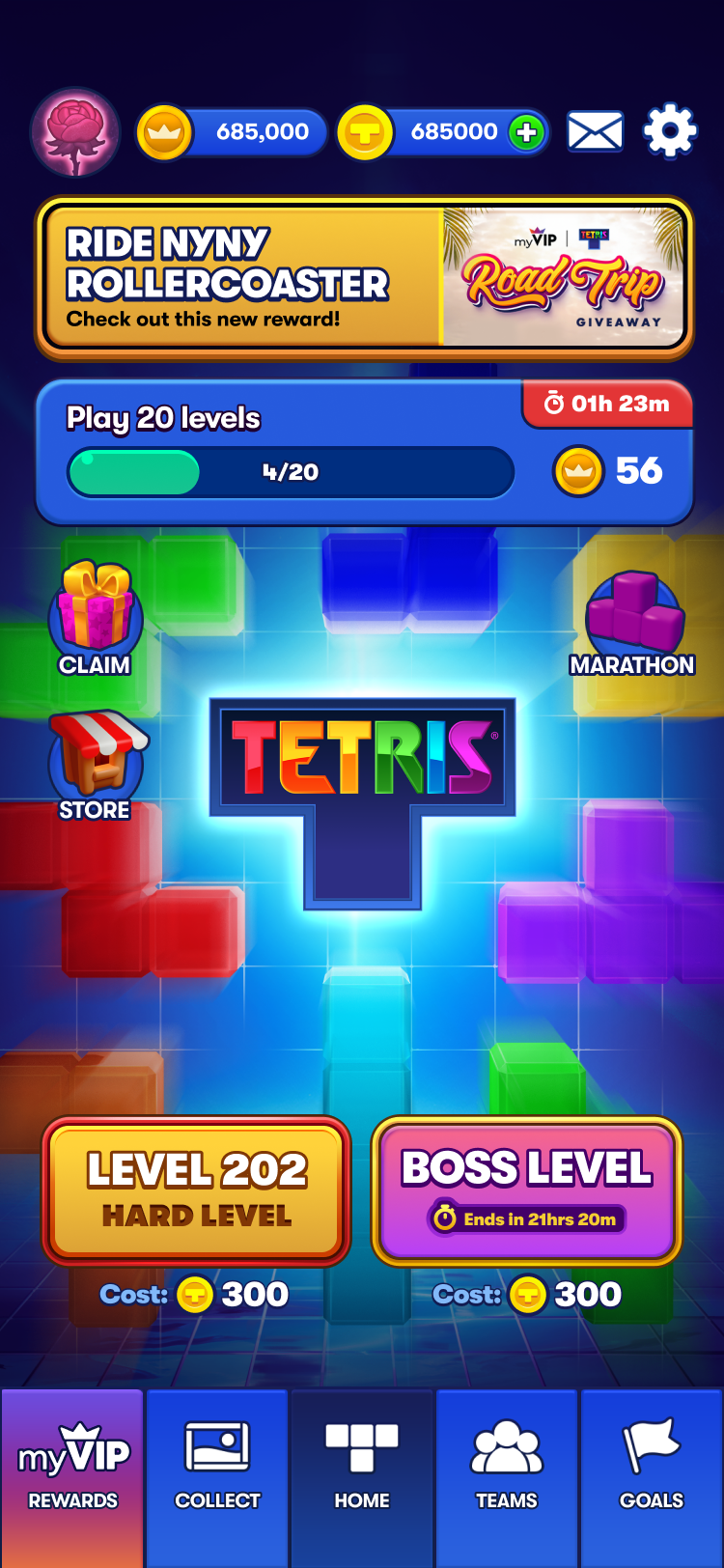
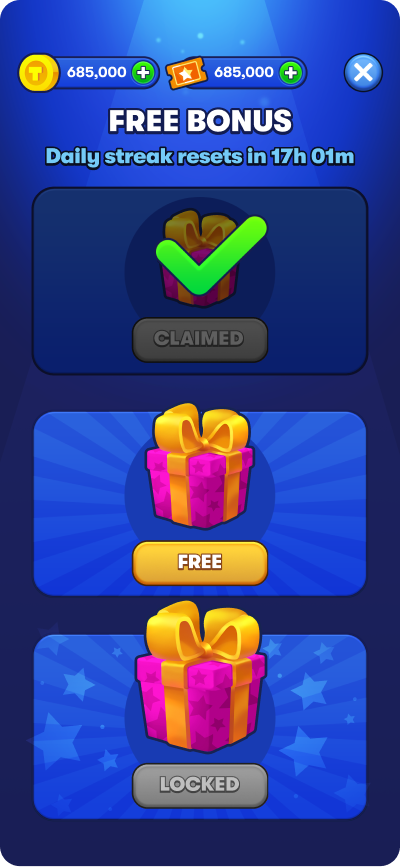
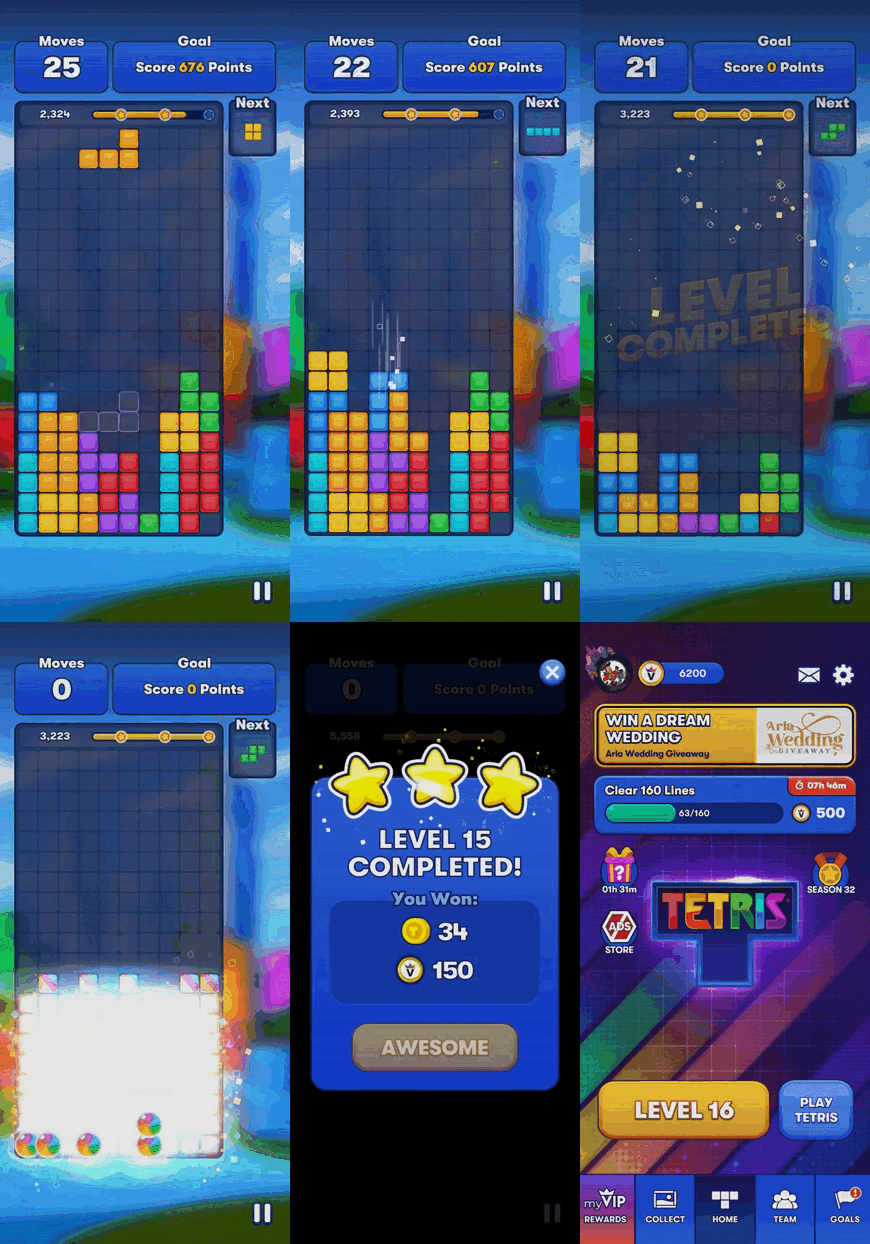
Under playSTUDIOS, while still working in N3twork, the product evolved into an adventure mode with level-based progression, a vibrant, casual style built around volumetric buttons, and a dynamic UI environment. I managed the identity exploration and hands-on implementation, ensuring the style remained scalable, readable, and cohesive as the game transitioned from a traditional free-toplay model to an adventure mode structure. A key part of this shift was the seamless integration of the playAWARDS loyalty system directly into the core gameplay loop, aligning engagement, progression, and monetization under a unified creative vision.




My Role Post-Acquisition
While the product underwent a major structural transition, my role evolved between Creative Direction and LiveOps Art Direction. I managed the challenge of delivering a continuous stream of updates while simultaneously reshaping the internal core gameplay. Throughout this period, my priority remained constant: scaling in Figma, polishing every step I could, and elevating the user experience from every creative angle, ensuring the live game remained high-quality as it evolved, all while staying deeply hands-on.
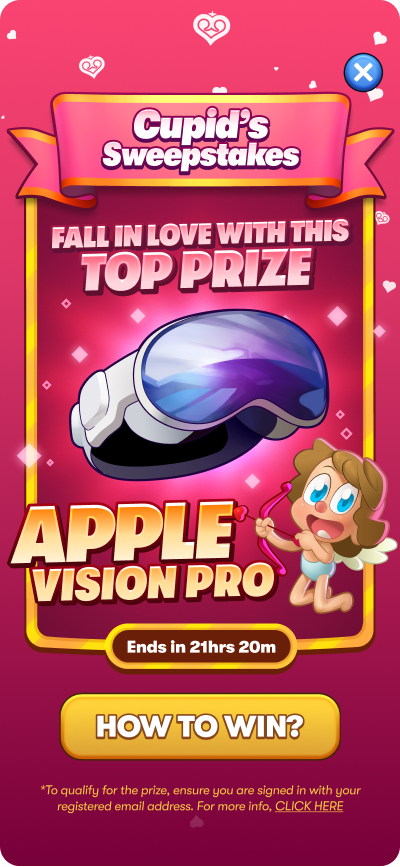
I collaborated with the LiveOps team to design monthly events that bridged gameplay with real-world rewards, ad-free offers, and high-profile partnerships, such as the 2023 Apple TV+ Tetris movie collaboration.
By mid-2023, the entire Tetris team had fully transitioned from N3twork to the playSTUDIOS structure.

Discover More Projects